Dutch Elm Disease vs Frost Damage: How to Tell Them Apart
Dutch elm disease and late frosts both leave elm leaves wilted and blackened. Timing, the pattern of damage and what lies under the bark tell you which one you're dealing with.
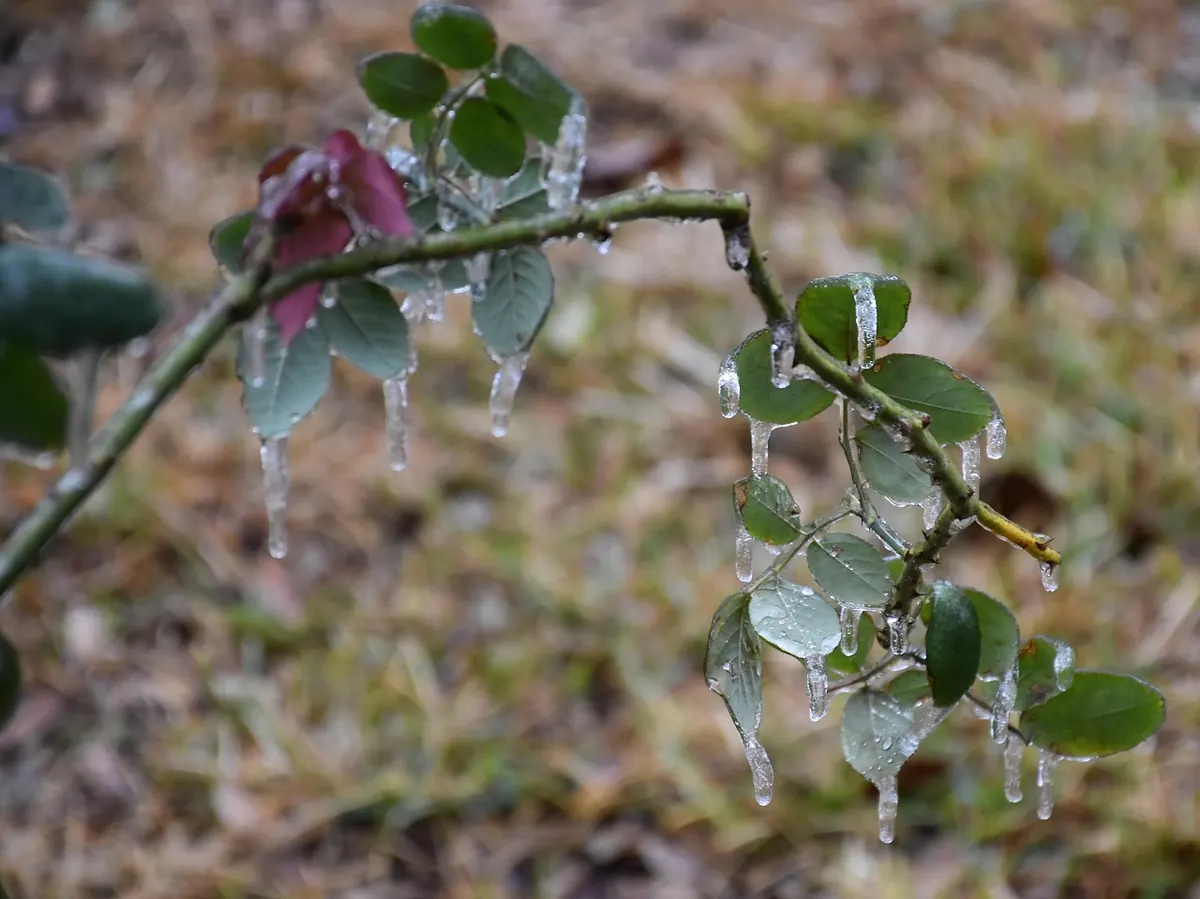
An elm in full leaf is one of the most solid sights in a British hedgerow — until one branch goes limp. The leaves dull over, curl inwards and simply hang there, and if you know anything about elms your stomach drops. Yet a sharp late frost can leave a tree looking much the same: blackened, drooping leaves and shrivelled shoot tips on a tree that was perfect two days ago.
Both problems cause sudden collapse of foliage, and both are worst in late spring and early summer. They are not the same thing, though. One is a fungal infection that blocks the tree's water supply from the inside and will usually kill it. The other is damage to soft tissue that a healthy elm will grow out of. Telling them apart takes ten minutes and a sharp knife, and it changes everything you should do next.
The short answer
Dutch elm disease is caused by fungi that invade the water-conducting vessels just under the bark. They are carried from tree to tree by elm bark beetles, and also pass between neighbouring elms whose roots have grafted together underground. The tree wilts because water can no longer reach the leaves. Frost works from the outside in: ice crystals form inside the soft cells of new leaves and shoots, rupture them, and the tissue blackens as it thaws.
So three questions separate the two problems: when did the damage appear, how is it spread across the tree, and what do you find under the bark?
Timing: when did the symptoms appear?
Dutch elm disease can strike at any point in the growing season, but the classic window is late May through to September, with a peak in June and July when the beetles are active and the tree is under stress. Symptoms develop over days and then weeks: a branch flags, the leaves dull and curl, then yellow, then brown.
Frost damage is tied to a specific night. If you can point to the cold snap — a clear, still night in late April or May, or a frost pocket that caught the dawn sun — and the damage was obvious by the following afternoon, cold injury is the leading suspect. Young, expanding leaves are full of water and are the first to be caught. It is the late frosts that do the harm, not the ones in February when the tree is still dormant.
Pattern: one branch, or the whole crown?
Dutch elm disease almost always starts small. A single branch, often high in the crown and easy to miss from ground level, turns while the rest of the tree stays green. This is the classic "flag" that tree officers look for. Over the following weeks the problem spreads downwards and around the crown, and in a hot spell a small tree can collapse almost entirely.
Frost is rarely so polite. It tends to hit the whole tree at once, or the part most exposed to the cold: the outer canopy, the windward side, the topmost shoots. In a frost pocket, an entire hedge or row of young elms will show damage on the same morning. There is a symmetry to frost damage that disease seldom produces.
You may also notice that frosted trees are worst on the side that caught the early morning sun. Rapid thawing after a frozen night is often said to rupture cells that would have survived a slower warm-up, so the shaded side of the same tree can look almost untouched.
What the leaves and shoots tell you
- Wilting versus scorching. Diseased leaves wilt first: they droop, curl inwards from the edges and turn a dull green, then yellow, then brown. Many stay attached for weeks. Frost-killed leaves go brown-black quickly, often look crisp or water-soaked, and may crumble or drop within days.
- Which leaves are affected. Dutch elm disease can affect leaves of any age on the affected branch. Frost picks on the newest, softest growth — expanding buds, shoot tips and the outer leaves of the canopy.
- Shoot tips. Frost often kills a shoot tip back a few centimetres, leaving a blackened point with firm, healthy wood behind it. In disease, the shoot usually stays pliable while the leaves droop, then dries out as the branch dies.
- The rest of the tree. A frosted elm is otherwise in good health: no dieback running along branches, no staining in the wood. Disease usually brings more than one symptom once you look closely.
Other problems can muddy the picture. Drought tends to brown leaf edges across the whole crown rather than one branch. Root damage or waterlogging can cause similar dieback, and herbicide drift from a nearby lawn treatment often shows as cupped, twisted growth rather than wilting. None of these produce the bark staining described below.
Look under the bark
This is the test that settles it. Choose a branch that is wilting but not completely dead, and cut a section about a finger thick with clean secateurs or a sharp knife. Peel back the bark, or slice across the wood and look at the cut face. In a tree with Dutch elm disease you will usually see brown or dark streaks and broken rings in the pale sapwood just beneath the bark. Those stains are the blocked vessels.
Frost-affected wood may look dull or slightly discoloured, but it does not show those neat brown lines tracing the grain.
While your knife is out, check the trunk and larger branches for beetle holes: small round openings roughly the width of a pencil lead, often high up where the bark is thin, sometimes with fine sawdust in the crevices beneath. Elm bark beetles breed in the bark of dying elms, and their feeding galleries are the disease's main route from tree to tree. Entry holes alongside wilting leaves mean you should treat the tree as infected until proven otherwise.
What to do next
- Don't reach for the saw. Pruning out an infected branch rarely saves an elm, and in Britain the fresh
Photo: Ray_Shrewsberry / Pixabay