Creating a Disease-Resistant Elm Hedge: A Landscaping Guide
How to plan, plant and prune a disease-resistant elm hedge in a UK garden, from choosing cultivars to dormant-season cutting and long-term monitoring.
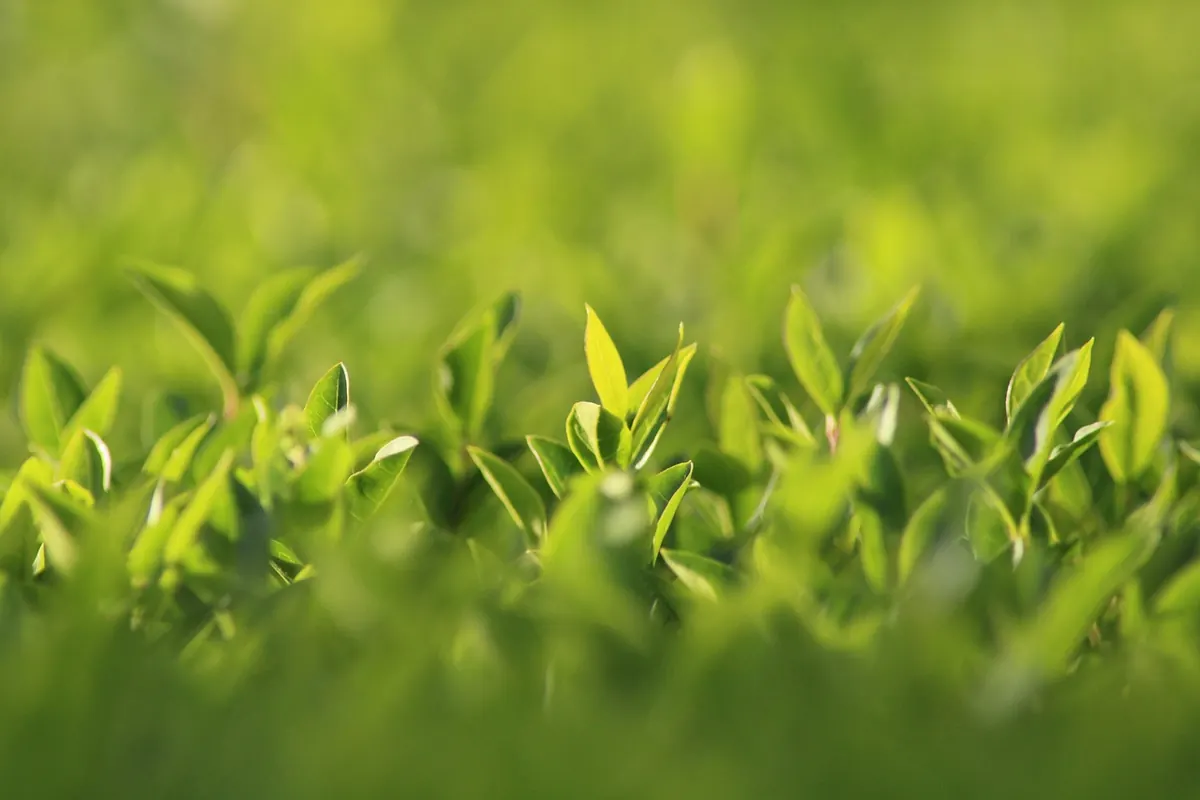
Elms have a difficult reputation here, and rightly so. Dutch elm disease removed most of our mature field elms within a generation, and their stumps still throw up suckers along hedgerows the length of the country. That history does not rule elms out of a modern garden, though. With resistant cultivars, sensible spacing and a pruning routine that respects the beetle's calendar, an elm hedge is a vigorous, dense and rather characterful boundary.
Why elm suits a hedge so well
Elm grows quickly, tolerates hard cutting and throws out new growth from old wood with almost embarrassing enthusiasm. In a hedge, that vigour works in your favour: you are cutting the plant regularly, so it never reaches the size where a single infection is catastrophic. A badly affected hedge can usually be cut to the ground and regrown from the base, and most elms will oblige.
The catch is that resistance is not immunity, and hedges are not isolated. Dutch elm disease spreads in two ways: carried by elm bark beetles, which breed under the bark of dead or dying elm, and passed underground through roots that have grafted together. A hedge planted within root reach of a mature, susceptible elm can be infected without a beetle being involved. That single fact shapes almost every decision below.
Choosing a resistant elm
Start by avoiding the wrong plant. Cheap "native hedging" mixes often contain English elm, wych elm or field elm — all highly susceptible. Ask for a named cultivar and check the label carries that name, not just "elm".
What resistance actually means
The cultivars sold today come from breeding programmes in the Netherlands, Italy, Spain and North America. Most resist infection well; some tolerate it, showing mild symptoms and recovering. None is bulletproof, which is a good argument for planting a mix of two or three cultivars rather than a single clone. A hedge of one clone is a hedge of identical plants, and identical plants fail in identical ways.
Cultivars worth asking for
- 'New Horizon' — upright, tough and widely sold in the UK; a reliable starting point.
- 'Columella' — narrow and strongly upright, useful where space is tight.
- 'Dodoens' and 'Lutece' — older Dutch selections, still available from specialist growers.
- 'Rebona' — fast-growing and increasingly common in amenity planting.
- 'Sapporo Autumn Gold' — broader and quicker to bulk up, good for a taller screen.
- 'Plinio' and 'Fiorente' — Italian selections with a neat habit.
Availability shifts from year to year, so ring two or three nurseries before deciding. If a grower cannot tell you the cultivar, buy elsewhere.
Where to plant
Elms are unfussy about soil but dislike sitting wet, so improve heavy clay with organic matter and avoid hollows where water gathers. Sun or light shade both work. Keep a generous distance from any mature elm — 20 metres or more if your plot allows — to reduce the chance of root grafting. Also think about the hedge at its final size: elms are thirsty, competitive plants, so plant away from drains, paving and vegetable beds you intend to keep productive.
Spacing and planting
Bare-root plants go in between November and March; container-grown plants can go in at any time if you water them properly through the first summer. For a garden hedge, aim for a finished height of 1.5 to 2 metres and a width of 60 to 90 centimetres.
- Dig a trench about 40 to 45 centimetres deep and fork the base to break up compaction.
- Space plants 45 to 60 centimetres apart in a single row for a dense, quick-to-knit hedge. For a thicker screen, use two staggered rows 60 centimetres apart, but allow extra width.
- Set each plant at the same depth it was growing in the nursery. Backfill, firm gently with your heel, and water thoroughly.
- Cut bare-root whips back by about a third straight after planting to encourage branching from low down.
- Mulch 5 to 7 centimetres deep, keeping it clear of the stems, and top it up each spring.
Water generously for the first two summers. A leaky hose laid along the row and run for an hour twice a week in dry spells is worth the small outlay.
Pruning: timing matters more than technique
Elm bark beetles fly and feed during the warmer months, and they are drawn to fresh wounds. That is why a hedge pruned in June is a hedge inviting trouble, while the same hedge pruned in January is not.
The dormant-season rule
Do your main cut between late November and February, while the plants are dormant and the beetles are inactive. Cut the sides first, working from the bottom upwards so the top stays slightly narrower than the base — a hedge that is wider at the bottom gets light to its lowest leaves and stays dense to the ground. Then take the top back to a taut line.
If you want a crisper outline through summer, a light trim of soft growth in late June or early July is usually acceptable, provided your tools are sharp and clean and you do not cut into old wood. Sterilise blades with methylated spirits between plants if you have any reason to suspect disease. Never leave elm prunings or cut logs lying about: bark beetles breed in elm bark. Burn them, or take them to the council tip — do not stack them beside the hedge.
Watching for trouble
Walk the hedge every couple of weeks from late spring. The classic signs are shoots that wilt and curl, sometimes hooking over, followed by yellowing and browning of leaves on one branch or one side. Often it starts high and works down. If you spot something suspicious, cut the affected branch well back into clean wood and destroy the material. If dieback continues, bring in a qualified arborist with tree-health experience before doing anything drastic. Suckers that rise from an infected stump will also be susceptible, so regrowth is not always a clean slate.
One practical point on height: if a hedge grows beyond two metres, rules about high hedges can come into play between neighbours. Check the position before you plant rather than after.
A simple yearly rhythm
Late winter: main cut, remove any dead or crossing wood, mulch. Spring: feed with a general-purpose fertiliser, check watering for young plants. Summer: inspect fortnightly, trim soft growth lightly only if you must. Autumn: clear fallen leaves and prunings from around the base. Every few years, if the hedge becomes leggy, renovate one side hard in late winter, let it recover, then do the other side the following year. Keep to that pattern and an elm hedge will reward you for decades.
Photo: Kranich17 / Pixabay