Dutch Elm Disease: Symptoms, Spread and What to Do in the UK
Dutch elm disease still kills elms across Britain. Here's how to spot the symptoms, how beetles and root grafts spread it, and when to call in a tree surgeon.
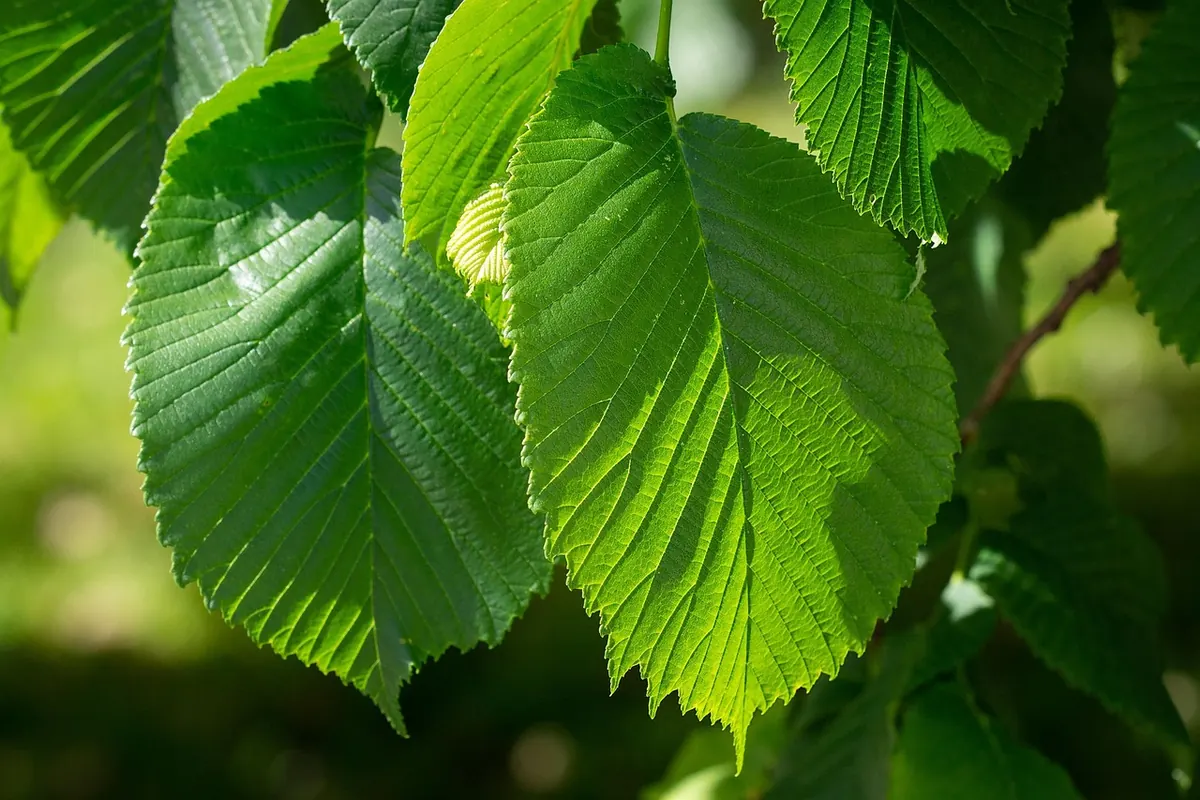
Few trees in Britain carry as much history as the elm. Once a fixture of hedgerows, village greens and country lanes, it was felled in its millions from the late 1960s onwards by a disease that moved faster than anyone could cut the timber. The disease never went away. It is still at work in hedgerow elms and root suckers today, and every so often it finds a mature tree that has somehow escaped for forty years. Knowing what to look for matters, because speed is the one advantage we have over it.
What causes Dutch elm disease?
Dutch elm disease is caused by a fungus, Ophiostoma novo-ulmi, that blocks the tree's water-conducting vessels. Water can no longer reach the leaves, so the crown wilts, the leaves dry out and the tree slowly starves. The "Dutch" part is historical: the fungus was first identified by researchers in the Netherlands in the 1920s, during an earlier and much milder outbreak. The far more destructive version arrived in Britain in the late 1960s, most likely on imported elm timber, and it is the one still with us.
How to recognise it
The classic sign is a tree that looks fine in late spring and then, in June or July, starts to fail. Wilting usually appears high in the crown and often on one side first, so you get a distinctive flag of dying foliage against healthy green. Leaves turn yellow, then brown, curl at the edges and stay attached rather than dropping. Over the following weeks the dieback spreads down and around the crown.
- Shoots that wilt and droop, sometimes bending like a shepherd's crook
- Leaves that yellow and brown out of season, often in mid-summer
- Brown, dead leaves clinging to the tree instead of falling
- Dieback spreading from one side of the crown downwards
- In some trees, heavy early leaf drop rather than wilting
- Suckers around the base dying back at the same time
The sapwood test
If you want to check a suspicious branch, cut a piece about as thick as your wrist and slice into the live wood. In an infected elm you will usually see brown or purplish streaks and staining in the outer sapwood, just under the bark. A healthy elm of the same species, cut at the same time, gives you a clean, pale comparison. Look at the bark too: elm bark beetles carve a straight mother gallery running with the grain, with larval tunnels fanning out at right angles to it.
Staining on its own is not proof. Drought, other wilt diseases such as Verticillium, and old physical damage can all discolour sapwood. If you are unsure, Forest Research offers a diagnostic service and your council's tree officer can usually advise.
How the disease spreads
Bark beetles
Two elm bark beetles do the damage in Britain: the large elm bark beetle and the small elm bark beetle. Adults carry fungal spores on their bodies, and in spring and early summer they feed in the crotches of young twigs on healthy elms. That feeding wound is all the fungus needs. The tree responds by plugging its own vessels — and that defence is what actually kills it.
The beetles then breed in the bark of the dying tree, and their larvae overwinter under it. This is why standing dead elm, freshly felled logs and piled branchwood are such a problem: they are beetle nurseries. Moving infected timber or firewood around simply carries the disease into new areas.
Root grafts
Elms that grew up close together often fuse their root systems. Once one tree is infected, the fungus can pass directly into its neighbours underground, with no beetle involved. This is why felling a single elm in a row does not always stop the spread, and why stump treatment and trenching between closely spaced elms can matter.
The British picture
The elm you see in a hedgerow is usually a sucker from an old root system, growing to five or ten metres before the disease catches it again, dying back, and starting over. That cycle keeps the species present but prevents most elms from reaching maturity. In a few places — parts of Brighton & Hove, Edinburgh and Amsterdam among them — prompt sanitation felling and beetle control have kept large elms alive, which shows what consistent effort can achieve.
In some areas local authorities have powers to serve notice requiring infected elms to be felled and disposed of, so it is worth contacting your council early rather than treating it as a private matter.
What to do if you suspect it
- Do not start pruning randomly. Confirm first, so you do not cut away a healthy tree or leave infected wood lying about.
- Check a branch for sapwood streaking and look at the bark for beetle galleries. Photograph both, with a coin or ruler for scale.
- Report it. Tell your council's tree officer, or use TreeAlert, the Forestry Commission's pest and disease reporting tool.
- Act quickly. Infected elms should be felled and the material destroyed before beetles emerge the following spring. In practice, cut as soon as you reasonably can and deal with the debris at once.
- Dispose of it properly. Burn, chip or bury the bark and branchwood. Do not stack elm logs for next winter's fire — strip the bark or get rid of them.
- Deal with the stump. Grind it out or treat it so the root system does not keep feeding beetles or passing fungus to neighbouring elms.
- Do not move elm wood between sites. Ask where any firewood you buy has come from, and prefer seasoned or kiln-dried timber.
Can an infected elm be saved?
Occasionally. If the disease is caught very early on a small tree, and only one limb is affected, removing that limb well beyond the visible staining sometimes stops it. The odds are not good and nobody can promise a result. Injection treatments have been tried over the years, but there is no reliable, widely available chemical cure in the UK, so be sceptical of anyone offering a guaranteed fix. Once a mature elm has lost a substantial part of its crown, the realistic aim is safe removal, not recovery.
If you are planting, look for elm cultivars bred for resistance, such as 'New Horizon' or 'Sapporo Autumn Gold', available from specialist nurseries. They are not immune, but they give you a genuine chance of a tree that reaches full size.
When to call a tree surgeon
Call one straight away if the tree is more than a few metres tall, if it is leaning, or if it stands near a road, footpath, driveway, shed, greenhouse or overhead cable. Felling an elm in a tight space, over a fence or beside a building, is a job for someone trained, equipped and insured — and a diseased elm can behave unpredictably because the wood may already be dead in places.
Ask for evidence of public liability insurance and relevant qualifications before work starts, and get more than one quote for anything substantial. Take before-and-after photographs, and keep a note of dates: if the disease returns to a neighbouring elm in a year or two, that record is useful.
You do not need permission to remove a dead or dangerous tree in an emergency, but many elms sit in conservation areas or are covered by tree preservation orders, and the rules on notification still apply. Check with your council before scheduling the work, and let the tree officer know what you have found. Every elm that reaches full size is a small win, and the decisions made in a single afternoon — fell promptly, destroy the wood, protect the neighbours — are what make it possible.
Photo: Pezibear / Pixabay